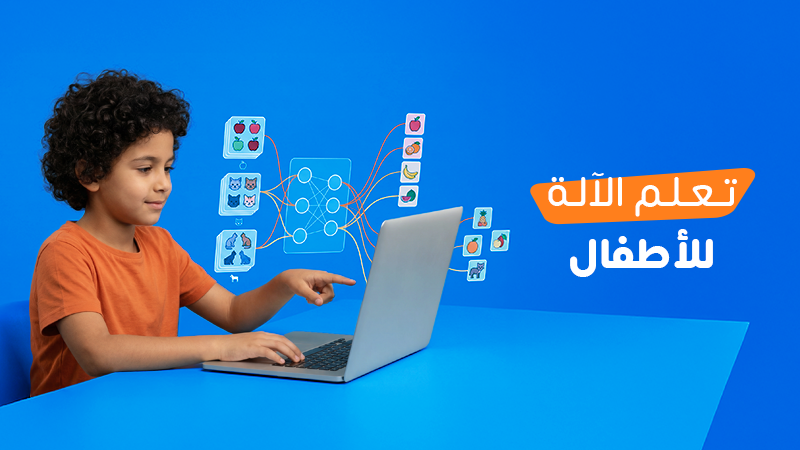

Homeschooling
Best E-Learning for Kids Platform & Courses in 2026
May 14, 2026
A generation ago, learning meant a classroom, a textbook, and a fixed schedule. Today, a child in Cairo, Riyadh, or Dubai can learn from a world-class teacher without leaving home. That shift has a name: e-learning for kids, the use of online tools, live classes, and interactive content to teach children in a flexible, engaging way.
In 2026, e learning for kids is no longer a backup plan. It is often the better plan. This guide is written for parents, kids, and teens across the Middle East who want to understand what e-learning really is, what the research says, the best ideas to try, and how to choose the right platform, with iSchool, the number one online coding platform for children aged 6 to 18, as a clear example.
What Is E-Learning for Kids, and Why Does It Work?
E-learning for kids is structured online education designed for children: live lessons, on-demand videos, projects, and interactive activities delivered through a computer or tablet. Done well, it does something traditional classrooms struggle with: it adapts to the individual child. Lessons can be paced to a child's level, revisited when needed, and matched to their interests.
The biggest study to date, a meta-analysis by the U.S. Department of Education, found that online learning generally performs as well as or better than traditional instruction, with the strongest results coming from blended approaches that mix live teaching with self-paced content. The key is interaction and well-structured course design, not screens alone. When a child is engaged and supported, online learning becomes one of the most effective tools for developing your child's intelligence and confidence.
What the Research About E-Learning for Kids Really Says
Parents are right to ask for evidence, and the research about e learning for kids is encouraging when programs are built properly. Three findings stand out:
This is exactly why e learning process videos for kids are so powerful: a short, clear video showing how to build a game or solve a problem can teach a concept faster than pages of text, and the child can rewatch it until it clicks.
Creative E-Learning Ideas for Kids at Home and Online
The best e learning ideas for kids combine fun with real skill-building. A few that work especially well:
For inspiration away from the screen, these home activities for kids in Egypt 2026 and best Montessori activities for kids pair beautifully with structured e-learning, balancing digital and hands-on discovery.
What to Look for in the Best E-Learning Platform for Kids
Not all platforms are equal. When choosing the best e-learning for kids, look for live one-to-one or small-group classes rather than passive videos alone, an internationally accredited curriculum, qualified instructors, a child-safe environment, support in your child's language, and a way to track progress. A platform that also lets your child build a portfolio of real projects turns lessons into lasting proof of skill. For families comparing options, this guide to choosing a learning platform for kids by age in Egypt is a useful starting point.
iSchool E-Learning Courses for Kids by Age
iSchool maps a recommended path to each grade, delivered as live classes in English or Arabic, so every child learns at the right level:
Games are the entry point and artificial intelligence is the destination. The same child who codes a Minecraft adventure can later build a real machine learning for kids project, all inside one structured curriculum with over 48 professional developer tools.
Why E-Learning for Kids Is Booming in the Middle East
The region is built for this. It has one of the youngest populations on earth, with a median age of around 22, and demand for online education is surging. MENA EdTech funding jumped 169 percent in early 2025 versus a year earlier, with a clear emphasis on STEM, coding, and gamified learning across hubs like Egypt, Saudi Arabia, and the UAE. Parents looking at online educational courses for kids in Saudi Arabia and across the Gulf increasingly choose e-learning for its flexibility and quality. The timing matters: the World Economic Forum projects 170 million new jobs globally by 2030, with programming among the fastest-growing skills.
iSchool: Safe, Accredited, and Proven
Since 2018, iSchool has built 130,000+ alumni, 6,000,000+ hours of learning delivered, and a 4.9 out of 5 student rating from 250,000+ happy parents across 20+ countries. Its quality and safety are independently verified by STEM.org, IAIDL, kidSAFE Certified, edtech impact, and Education Alliance Finland 2025. Every student also builds a career-ready portfolio of projects and certificates they own and can share with schools and colleges.
Start Your Child's E-Learning Journey with iSchool Today
E-learning is not the future of your child's education. It is the present, and the children who start now gain a real head start. With iSchool, online learning becomes live, personal, and project-based, turning curiosity into games, apps, and AI skills. Choose your child's grade, pick a plan from a 3-month beginner term to a full 12-month journey, and book a live class with a world-class instructor in English or Arabic.
Frequently Asked Questions
What is e-learning for kids?
E-learning for kids is structured online education designed for children, using live classes, videos, and interactive activities delivered through a computer or tablet, so they can learn flexibly from home at their own pace.
What are good e-learning ideas for kids?
Strong e learning ideas for kids include building games with code, creating animations and stories, making a simple chatbot or AI project, and pairing live online classes with hands-on offline activities for balance.
Are e-learning process videos for kids effective?
Yes. E learning process videos for kids are highly effective because children can watch, pause, and rewatch a concept until it clicks. Research shows adding video to teaching produces strong learning gains, since most information the brain processes is visual.
What does the research about e-learning for kids say?
The research about e learning for kids is positive when programs are well designed. A major U.S. Department of Education meta-analysis found online learning performs as well as or better than traditional instruction, with blended, interactive approaches working best.
At what age can kids start e-learning?
Children can begin as early as age 5 or 6 with visual, drag-and-drop tools like Scratch. iSchool designs classes specifically for ages 6 to 18, so the difficulty always matches the child's stage.